Clinical medical assistants handle both patient care and office tasks, making them essential in healthcare settings like clinics, hospitals, and outpatient centers. Their day involves preparing exam rooms, assisting with procedures, and updating patient records. They also take vital signs, perform lab tests, and manage administrative duties like scheduling and insurance verification. With over 811,000 medical assistants in the U.S. as of 2024, this role is growing rapidly, with a 12% job growth expected from 2024 to 2034. Certification, while not mandatory, boosts career prospects and pay.
Key Responsibilities:
- Clinical Tasks: Taking vital signs, drawing blood, giving injections, assisting in minor procedures, and ensuring sterile environments.
- Administrative Duties: Scheduling appointments, managing electronic health records, and verifying insurance details.
Workplaces: Physician offices (57%), hospitals (17%), outpatient centers (10%), and other healthcare facilities.
Median Pay (2024):
- Offices of Physicians: $43,880
- Hospitals: $45,930
- Outpatient Centers: $47,560
Certification programs, like CCMA or CMA, typically take 6–12 months and enhance job opportunities. Clinical medical assistants bridge the gap between patient care and office management, ensuring healthcare facilities run smoothly.
What Is a Clinical Medical Assistant?
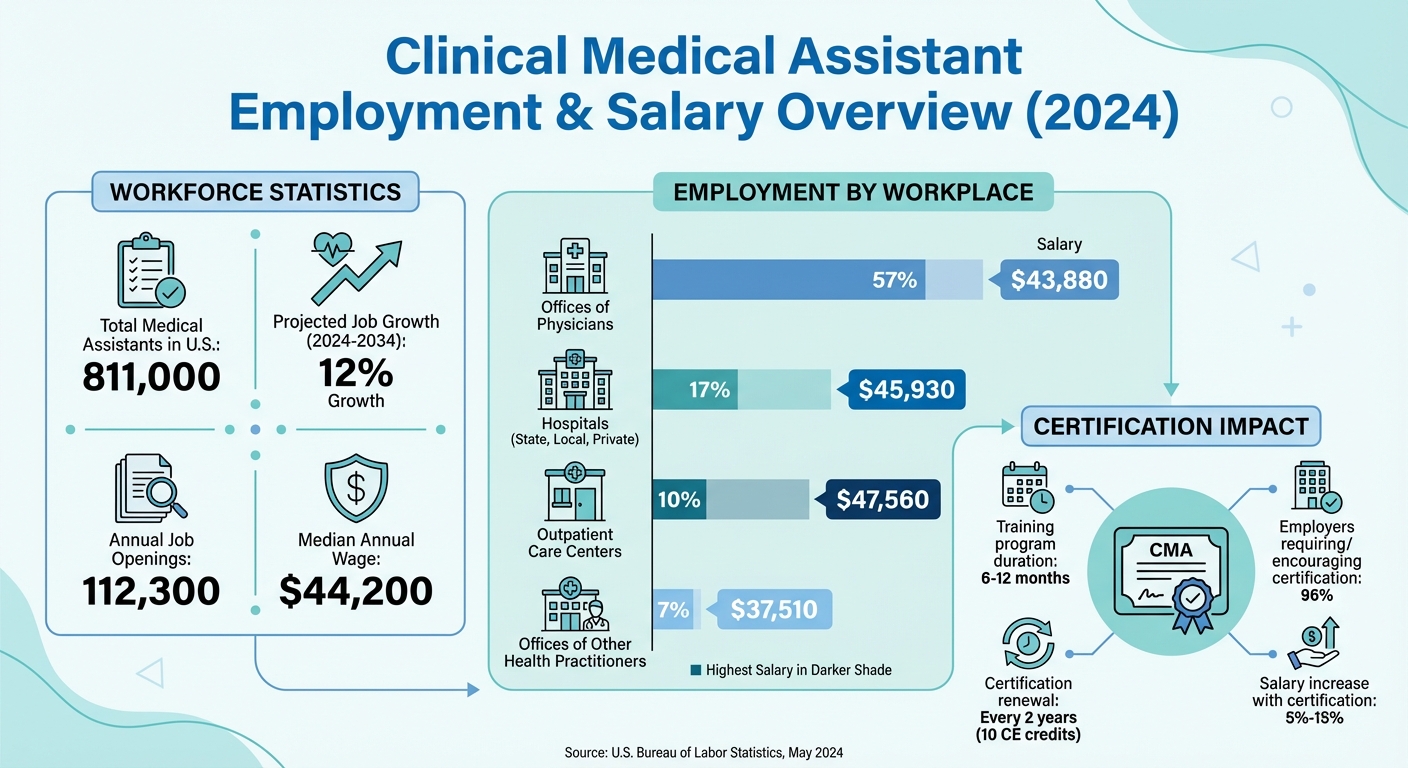
Clinical Medical Assistant Employment Statistics and Salary by Workplace 2024
A clinical medical assistant plays a dual role in the healthcare world, balancing patient care with administrative tasks. Unlike staff focused solely on paperwork, these professionals work directly with patients and healthcare providers. They handle hands-on medical responsibilities while also managing essential office duties, acting as the link between the clinical and administrative sides of healthcare.
Their primary focus is on patient care. This includes taking vital signs – like blood pressure, heart rate, temperature, and oxygen levels – and preparing patients for exams. They also perform procedures such as giving injections, drawing blood (phlebotomy), conducting EKGs, removing sutures, and applying wound dressings. Beyond this, they collect and prepare lab samples, sterilize medical instruments, and ensure exam rooms are well-maintained and ready for use.
Even though their clinical responsibilities take center stage, they also handle administrative tasks to keep the healthcare facility running smoothly. Their ability to switch between these roles makes them indispensable in busy medical settings.
Main Responsibilities of Clinical Medical Assistants
Clinical medical assistants support doctors and nurses by tackling a wide range of duties. They prepare exam rooms by disinfecting tools and sanitizing surfaces, ensuring everything is ready for the next patient. During appointments, they record patients’ medical histories, explain procedures, and provide instructions for medications. They also guide patients through their visits, helping them understand what to expect.
Their responsibilities often extend to lab work and maintaining medical facilities. This involves managing inventory, preparing specimens for testing, and sterilizing equipment. Depending on the type of practice, their duties can vary. For instance, in an ophthalmology office, they might show patients how to care for contact lenses. In surgical settings, they could assist by handing instruments to doctors during procedures.
Where Clinical Medical Assistants Work
Clinical medical assistants work in a range of healthcare environments, though most are employed in physicians’ offices. As of May 2024, about 57% of medical assistants work in these offices, typically following regular full-time schedules. Hospitals employ approximately 17%, often requiring shifts that include nights, weekends, and holidays. Outpatient care centers employ around 10%, while offices of other health practitioners – such as chiropractors and podiatrists – account for about 7% of the workforce.
| Type of Medical Facility | Percentage Employed | Median Annual Wage (May 2024) |
|---|---|---|
| Offices of Physicians | 57% | $43,880 |
| Hospitals (State, Local, Private) | 17% | $45,930 |
| Outpatient Care Centers | 10% | $47,560 |
| Offices of Other Health Practitioners | 7% | $37,510 |
In addition to these primary settings, clinical medical assistants can be found in urgent care centers, rehabilitation facilities, nursing homes, and assisted living facilities. Smaller clinics often require them to juggle both clinical and administrative tasks due to limited staff. In hospitals, they may work in specialized units like the Emergency Room, assisting with patient transport and preparing exam rooms for urgent cases.
sbb-itb-7a67ffa
A Day in the Life of a Clinical Medical Assistant
Morning Tasks and Office Setup
For most clinical medical assistants, the day starts early – often before 8:00 a.m. – to ensure everything is ready for the first patient. Arriving about 15–30 minutes before the first appointment, they dive into essential setup duties. This includes sanitizing exam room surfaces, cleaning medical equipment, and restocking supplies like gloves, gowns, table paper, and disinfectants. They also test medical devices to ensure they’re functioning properly.
Another key part of the morning routine is reviewing the day’s schedule. This involves checking how many patients are booked, noting the types of procedures planned, and preparing any specialized tools. For example, if a minor surgery or EKG is scheduled, they’ll set out sterile trays or diagnostic equipment. Once the facility is prepped and everything is in place, they’re ready to focus on patients.
Midday Patient Care Activities
As the day progresses, clinical medical assistants juggle direct patient care with administrative tasks. During the busiest part of the day, they actively assist physicians with exams and procedures. They start by measuring and recording vital signs, documenting symptoms, and noting the reasons for each visit. Other duties include drawing blood, collecting lab specimens like urine or stool samples, and performing diagnostic tests such as EKGs. When assisting during minor surgeries or exams, they hand instruments to the physician, help position patients, and ensure the treatment area stays sterile.
Medication administration is another critical responsibility. Under supervision, they may give vaccinations, injections, or other prescribed medications. They also handle wound care, which involves cleaning injuries, applying dressings, and removing sutures or staples. Throughout these tasks, they act as a bridge between patients and the healthcare team, explaining treatments and providing aftercare instructions.
As Raymond Ford, a CMA at MAXiM Hair Restoration, shares:
"Assisting the physician during the procedure and partaking in advanced clinical assisting tasks really makes my day exciting and interesting."
With constant patient interactions and hands-on responsibilities, the day moves quickly, but there’s still more to wrap up before heading home.
End-of-Day Responsibilities
When the last patient leaves, clinical medical assistants shift gears to focus on closing duties. They clean and sterilize exam rooms, mop floors to remove stains or blood, and use autoclaves to properly sanitize medical instruments. As Raymond Ford explains:
"I am also responsible for making sure that the procedure room has been wiped clean and that all decontamination procedures are followed. All floors need to be mopped and wiped clean, free of any stains or blood."
After cleaning, they restock supplies in exam rooms and update Electronic Health Records with the day’s final notes. They also review the next day’s schedule to prepare for any procedures requiring special equipment or setup. Finally, they power down medical devices, turn off lights, and lock up the facility, ensuring everything is ready to go for the next day.
Clinical and Administrative Duties
Clinical medical assistants juggle two critical roles: providing hands-on patient care and managing essential office tasks. In smaller practices, they often shift between drawing blood and scheduling appointments, requiring them to adapt quickly to different responsibilities.
This balance is key to keeping medical offices running efficiently. Administrative tasks, such as scheduling and maintaining electronic health records, create the structure needed for smooth patient visits. Meanwhile, clinical duties focus on direct care, from taking vital signs to explaining treatment plans.
As Des Sinkevich from Penn Foster puts it:
"A medical assistant is a patient’s advocate, someone who makes sure patient needs are understood and met by everyone on the healthcare team."
Often the first point of contact for patients, medical assistants set the tone for the entire visit, bridging the gap between administrative efficiency and compassionate care.
Clinical Duties: Direct Patient Care
Clinical medical assistants are deeply involved in patient care, starting with routine tasks like recording vital signs – blood pressure, heart rate, temperature, height, and weight – and documenting medical histories. These records are critical for physicians to make informed decisions.
Beyond basic assessments, they perform diagnostic procedures like electrocardiograms (EKGs), collect lab specimens (urine, tissue samples), and handle phlebotomy. During minor procedures, they assist physicians by managing instruments, removing sutures, and dressing wounds.
Medication administration is another key area. Under a physician’s supervision, they give injections, administer vaccines, authorize prescription refills, and relay medication details to pharmacies. They also educate patients about treatment plans, medication use, dietary needs, and preventive care. PCI Health Training Center describes them as "the perfect staff persons to talk to clients about what to expect from their visit."
Additionally, maintaining a clean and functional clinical environment is part of their role. This includes sterilizing instruments, sanitizing equipment, and ensuring exam rooms are well-stocked and ready for use.
Administrative Duties: Office Support
On the administrative side, medical assistants focus on creating a seamless experience for patients and keeping the office running smoothly. They handle patient intake, schedule appointments, and verify insurance information, ensuring no hiccups in the process. They also coordinate hospital admissions, arrange lab services, and manage specialist referrals.
Financial and insurance-related tasks are another major responsibility. This includes processing insurance claims, coding billing information, and completing forms. They also secure pre-authorizations for procedures and verify insurance details upfront to minimize billing issues.
Office logistics fall under their purview as well. Medical assistants manage inventory for both medical and office supplies, order replacements as needed, and maintain vendor relationships. They also handle communication tasks like answering phones, responding to emails, and managing correspondence.
In larger practices, some medical assistants specialize in either clinical or administrative duties. However, in smaller offices, they often take on both roles. As of May 2024, the median annual wage for medical assistants was $44,200, with approximately 811,000 jobs nationwide. Employment in this field is expected to grow by 12% between 2024 and 2034, translating to about 112,300 job openings annually – a clear sign of the demand for skilled professionals.
Skills and Certifications Needed
Success in this field requires a mix of technical expertise and strong interpersonal abilities. Medical assistants handle tasks like taking vital signs, performing phlebotomy, administering injections, and operating diagnostic tools such as EKG machines and autoclaves.
Equally important are soft skills like clear communication, organizational ability, and empathy. Attention to detail is critical for maintaining accurate patient records and ensuring proper medication dosages. Compassion plays a key role, especially when assisting patients who may be anxious or in distress.
Martin Zandi, a prominent figure in career education, highlights the value of combining technical certifications with soft skills: "Graduates who combine technical certifications with soft skills often move into leadership or specialized roles faster".
Required Skills for Clinical Medical Assistants
The role demands adaptability, problem-solving, and proficiency with Electronic Health Records (EHR) systems to ensure accurate documentation and efficient billing. Medical assistants often juggle a variety of tasks, shifting seamlessly between administrative duties like scheduling appointments and clinical responsibilities such as drawing blood – all within a short timeframe.
According to the National Healthcareer Association, "Professionalism and critical thinking are the most important soft skills employers are looking for, when hiring a clinical medical assistant". These capabilities not only improve day-to-day performance but also open doors to certifications that validate expertise.
Certifications and Training Programs
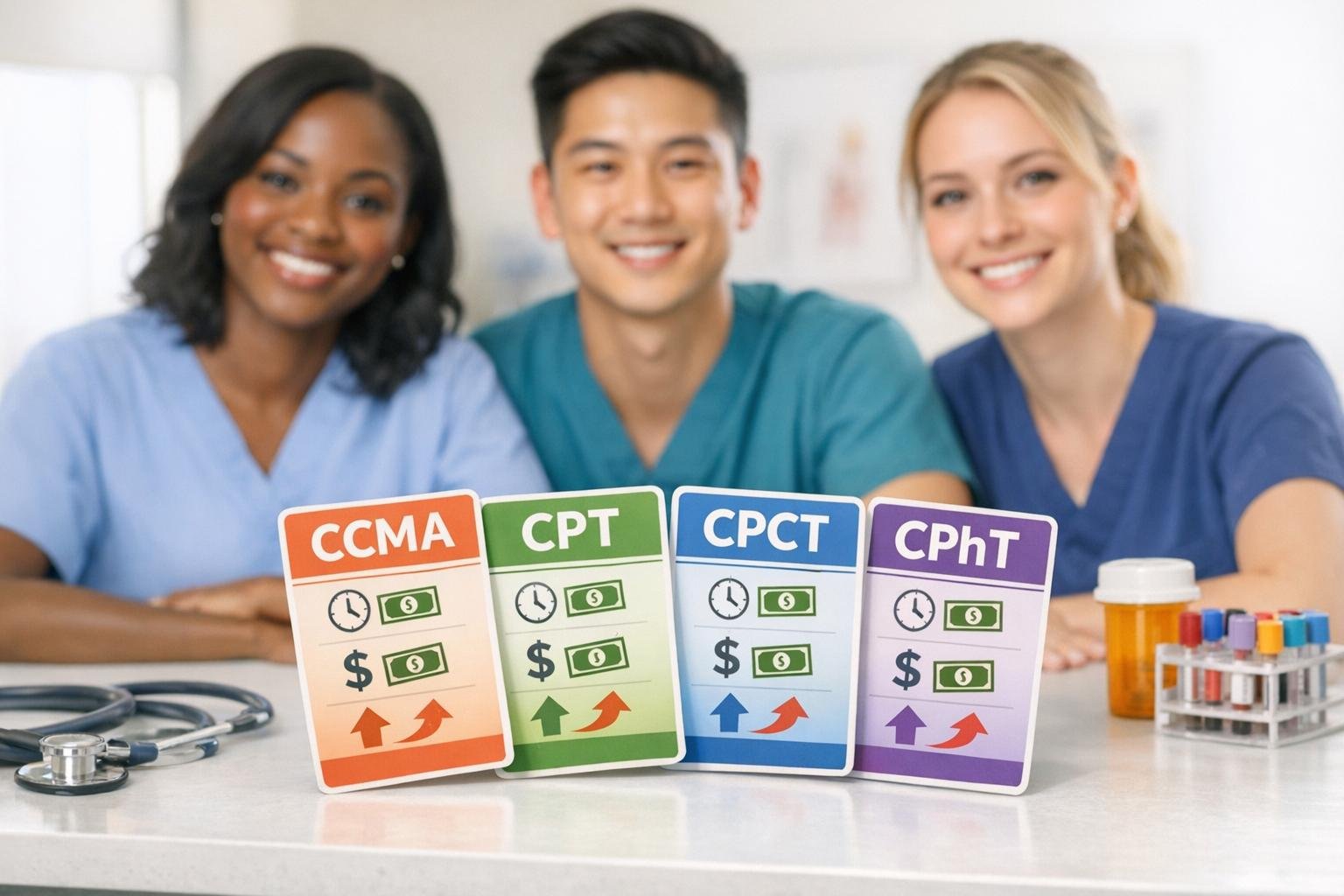
Although certification isn’t legally mandated in most states, 96% of employers either require or encourage it. Two of the most recognized certifications are:
- Certified Clinical Medical Assistant (CCMA): Offered by the National Healthcareer Association (NHA), this certification emphasizes clinical procedures.
- Certified Medical Assistant (CMA): Provided by the American Association of Medical Assistants (AAMA), it covers both clinical and administrative tasks.
Certified medical assistants typically earn 5%–15% more than their non-certified counterparts. Jessica Aponte, a CCMA, shares her experience: "My NHA certification has helped me financially advance my career. Most importantly it has given me opportunity to get a job that allows me to be a better mom by being home in the evenings and on the weekends".
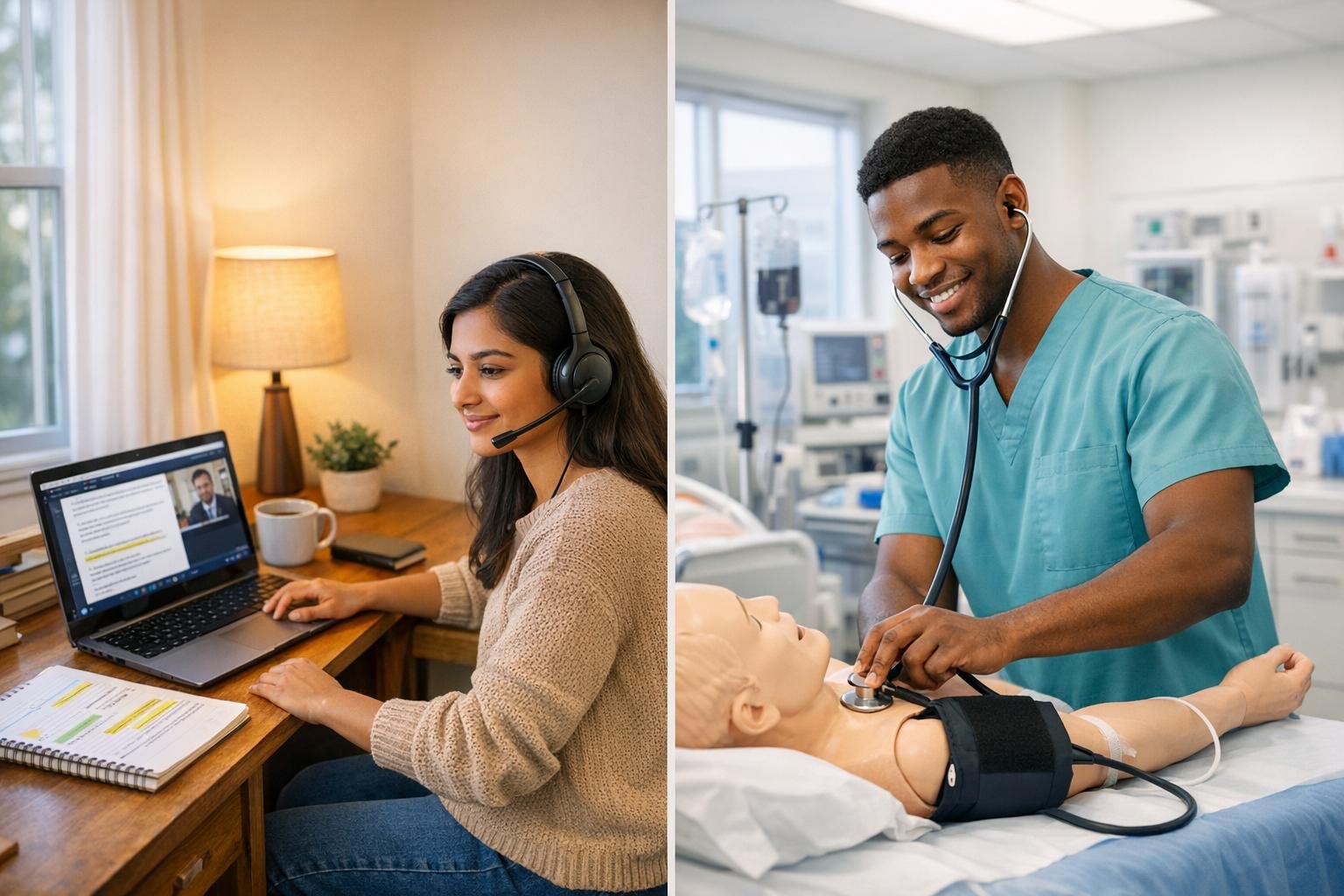
Training programs for certification generally last 6 to 12 months and include hands-on externships in medical facilities. For example, HealthCareer Certs offers a fully online CCMA program with self-paced learning, one-on-one instructor support, and guaranteed externship placements. The program also includes over 1,400 practice questions and interactive tools like 3D demos to help students prepare for the national certification exam.
Maintaining certification is essential. For the CCMA, renewal is required every two years and involves earning 10 continuing education credits, costing about $8 per month.
Conclusion
Clinical medical assistants juggle two critical roles: providing patient care and managing administrative tasks. Their responsibilities range from taking vital signs and performing phlebotomy to handling electronic health records and scheduling appointments. This dual skill set makes them indispensable in physicians’ offices, hospitals, and outpatient clinics nationwide. By combining hands-on clinical work with administrative efficiency, they play a key role in improving patient care while carving out a strong career path.
The job outlook for clinical medical assistants is promising. Employment in the field is projected to grow by 12%, translating to approximately 112,300 job openings annually between 2024 and 2034. With competitive median wages, certification can further boost career opportunities and earning potential.
Although certification isn’t legally mandated in all cases, most healthcare employers either require or strongly prefer certified candidates. HealthCareer Certs offers an online CCMA program designed to prepare students for certification. This program features self-paced learning, instructor support, guaranteed externships, and exam preparation tools. Typically completed in 4–12 weeks, it offers the flexibility needed for busy individuals, helping them quickly transition into the workforce.
Earning certification not only opens doors to specialized roles but also paves the way for leadership opportunities, making it a valuable step for advancing in the clinical medical assistant profession.
FAQs
What qualifications do you need to become a clinical medical assistant?
To become a clinical medical assistant, you’ll need to complete a medical assisting training program. These programs equip you with key skills like performing patient care procedures, taking vital signs, drawing blood, and assisting during examinations. You’ll also learn about administrative responsibilities and medical terminology, ensuring you’re ready for the demands of healthcare environments.
Many employers prefer or require certification, such as the Certified Medical Assistant (CMA) or Nationally Certified Medical Assistant (NCMA). Earning certification highlights your qualifications and can improve your chances of landing a job. It’s also important to check your state’s specific regulations, as some may have additional requirements for clinical medical assistants.
How does earning certification benefit a clinical medical assistant’s career?
Earning a certification can be a game-changer for clinical medical assistants, offering better job opportunities, higher earning potential, and access to specialized roles. Employers often see certified medical assistants as more skilled and dependable, which can help you stand out in a crowded job market.
Beyond that, certification proves your dedication to the field and confirms that you meet established standards of knowledge and skills. It can open doors to work in various healthcare settings like hospitals, outpatient clinics, or specialty practices. In some cases, it might even be a requirement for certain roles or promotions. Taking this step can set you on the path to a thriving and fulfilling career in healthcare.
Where do clinical medical assistants typically work?
Clinical medical assistants play an essential role across various healthcare environments, offering both patient care and support to medical teams. You’ll often find them working in hospitals, doctors’ offices, clinics, urgent care centers, and even assisted living facilities.
In hospitals, their responsibilities might include preparing patients for procedures, performing routine tests, and assisting with clinical tasks. They act as a key connection between patients and healthcare providers. On the other hand, in smaller settings like clinics or private practices, their role often combines clinical duties – such as taking vital signs and prepping exam rooms – with administrative tasks, like updating medical records.
These roles demand not only technical skills but also strong interpersonal abilities, as clinical medical assistants interact regularly with patients, their families, and healthcare teams. Their ability to navigate these interactions effectively is crucial to creating a supportive and efficient care environment.