
Vein selection in phlebotomy is the difference between a smooth, single-stick draw and a frustrated patient with multiple punctures, a hematoma, and an unhappy lab supervisor. Knowing which veins to use, in what order, and which to avoid altogether is the foundational skill of a successful phlebotomy career — and the most-tested concept on the NHA CPT exam outside of order of draw. Whether you’re researching the veins for phlebotomy for the first time or comparing programs, this guide pulls together what matters.
The CLSI standard order of preference for adult venipuncture is: median cubital → cephalic → basilic (when antecubital fossa is accessible). When those aren’t available, dorsal hand veins are next. This post covers the anatomy, the order of preference, the veins to avoid, and the techniques that improve first-stick success rates.
Want a faster path to your CPT?
Earn your NHA CPT in 4 weeks online with practice arm shipped, 30 supervised venipunctures, NHA exam included, and externship at a named partner clinic.
For students researching veins for phlebotomy options, the practical reality is that the right choice depends on your timeline, budget, and target employer. Many candidates start their veins for phlebotomy research with general questions and narrow down as they understand which credentials each setting accepts. Treat veins for phlebotomy reviews as a comparison exercise, not a single decision.
The Antecubital Fossa: Where Most Adult Draws Happen — Veins For Phlebotomy
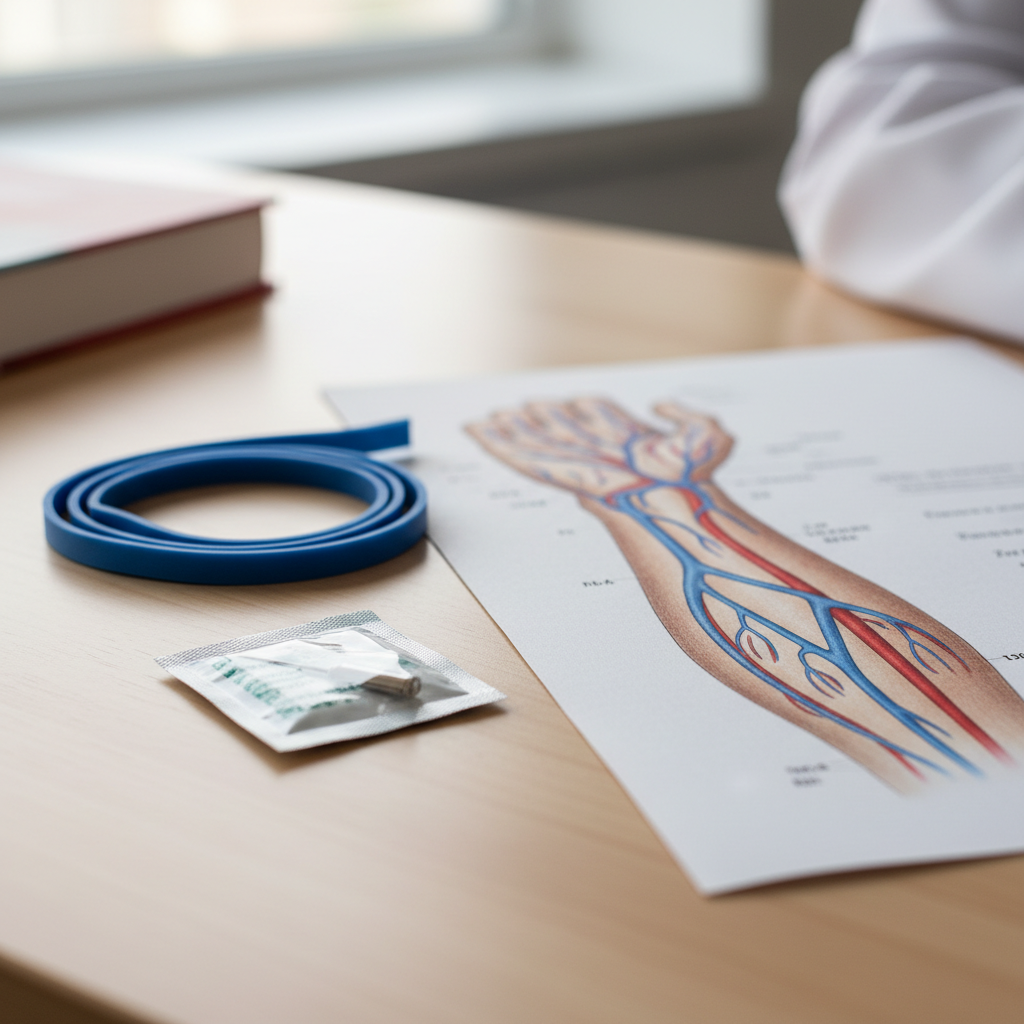
The antecubital fossa (AC) — the inner crease of the elbow — is the primary site for adult venipuncture. Three veins run through this area:
| Vein | Location | Order of preference | Why |
|---|---|---|---|
| Median Cubital | Center of AC | First choice | Largest, most stable, anchored well, away from major nerves and arteries |
| Cephalic | Lateral (thumb side) | Second choice | Accessible but rolls more than median cubital |
| Basilic | Medial (pinky side) | Last choice in AC | Close to brachial artery and median cutaneous nerve — higher complication risk |
Why the median cubital is first choice
- Largest and most stable
- Anchored by surrounding tissue (less rolling)
- Away from major nerves and arteries
- Comfortable for patient when arm is relaxed
Why the basilic is last choice (even though it’s prominent)
- Close to brachial artery — accidentally puncturing causes pulsatile bleeding
- Close to median cutaneous nerve — nerve injury risk
- Less anchored — more likely to roll during draw
- Healthcare workers sometimes feel pressured to use because it’s visible, but the complication rate is meaningfully higher
When the Antecubital Fossa Isn’t Available
Reasons to skip the AC:
- IV in the arm
- Mastectomy on that side
- Hematoma or scar tissue
- Patient declines
Alternative sites:
| Site | Notes |
|---|---|
| Dorsal hand veins | Common alternative. Use butterfly needle (shallow angle), smaller gauge (23g typical) |
| Wrist veins (cephalic at wrist) | Use only when other sites unavailable; nerve injury risk |
| Foot veins | Last resort, requires physician approval in many facilities |
Veins NEVER to Use
- Veins on a paralyzed limb — circulation impaired
- Veins on a side with mastectomy — lymph circulation altered
- Arm with active IV — IV fluid contaminates sample
- Visibly damaged veins — phlebitis, scarring, hematoma
- Inner wrist — high nerve injury risk
- Areas with arterio-venous (AV) fistulas — for dialysis patients; never draw on the fistula side
Patient-Specific Considerations
Elderly patients
- Veins are more fragile and prone to rolling
- Use butterfly needle (smaller gauge, shallower angle)
- Anchor the vein firmly with the non-dominant hand
- Apply lighter tourniquet pressure (or skip tourniquet if vein is already prominent)
Pediatric patients
- Use heel-stick or finger-stick capillary collection for infants
- Use butterfly needle for older children
- Distract with toys, music, or parent presence
Oncology / chemotherapy patients
- Veins often damaged from prior IV access
- Use butterfly needle, smaller gauge
- Be prepared to draw multiple sites if first attempt fails
- Some patients have port-a-caths — only specially-trained nurses access these
Dehydrated patients
- Veins collapse easily
- Apply warm compress before draw
- Use butterfly needle, smaller gauge
- Hydrate first if possible
Obese patients
- Veins may be deeper and harder to palpate
- Use anchor pressure firmly
- Consider longer needle if facility allows
- Don’t be afraid to spend extra time palpating
Techniques That Improve First-Stick Success
- Palpation, not vision. A vein you can see but can’t feel is often unreliable. Always palpate.
- Anchor firmly with the non-dominant thumb. Pulling the skin taut prevents rolling.
- Insert at 15-30° angle for routine venipuncture (10-15° for butterfly).
- Stop tourniquet within 1 minute. Longer causes hemoconcentration.
- Re-palpate after applying tourniquet. Veins often become more prominent.
- Warm the area if veins are difficult to find.
- Re-position the arm — straighten or slightly bend the elbow.
- Have the patient make a fist briefly, then relax (not pumping — this affects K+ levels).
Ready to stop studying alone? HealthCerts’ Certified Phlebotomy Technician (CPT) program is built around a 4 weeks online course with a guaranteed externship at a named partner clinic — so you walk out with both the credential and the clinical hours employers want.
The bottom line on veins for phlebotomy: choose the path that matches your real-world constraints — schedule, financial aid eligibility, and target employer — rather than the cheapest or fastest option in isolation. veins for phlebotomy outcomes vary meaningfully by program quality, so verify accreditation and externship support before enrolling.
Frequently Asked Questions
Which vein is first choice for venipuncture?
The median cubital vein in the antecubital fossa (inner elbow crease) is first choice. It’s the largest, most stable, and farthest from major nerves and arteries.
Why is the basilic vein avoided?
The basilic vein is close to the brachial artery and median cutaneous nerve, making accidental artery puncture or nerve injury more likely. It’s used as a last resort in the antecubital fossa.
What veins should I avoid in phlebotomy?
Veins on a paralyzed limb, mastectomy side, arm with active IV, damaged veins (phlebitis, scarring), inner wrist (nerve injury risk), or near AV fistulas in dialysis patients.
What’s the best vein for a difficult draw?
If antecubital veins aren’t accessible, dorsal hand veins are the standard alternative — use a butterfly needle with smaller gauge (23g) and shallower angle (10-15°).
How do I find veins on dehydrated patients?
Apply warm compress before draw, use butterfly needle and smaller gauge, hydrate the patient if possible, and re-palpate after applying tourniquet.
What’s the order of preference for venipuncture?
Median cubital → cephalic → basilic in the antecubital fossa. Dorsal hand veins as alternatives. Wrist or foot only as last resort.
Why can’t I draw from the basilic vein?
You can — but it’s the last choice in the antecubital fossa because of higher complication risk (close to brachial artery and median nerve).
Where can’t I draw blood?
Avoid: paralyzed limb, mastectomy side, active IV arm, damaged/scarred veins, inner wrist, AV fistula side, and any area with active inflammation or skin compromise.
Start Your CPT Journey with HealthCerts
Reading about veins for phlebotomy is one thing — actually getting credentialed and into a clinical role is another. HealthCerts’ Certified Phlebotomy Technician (CPT) program is the fastest, most-supported path: Earn your NHA CPT in 4 weeks online with practice arm shipped, 30 supervised venipunctures, NHA exam included, and externship at a named partner clinic.
See CPT tuition, schedule, and what’s included →
Source: National Healthcareer Association (NHA) — CPT
For people researching veins for phlebotomy, the practical decision points usually come down to three things: cost, time, and credential acceptance. Use the veins for phlebotomy framing in the sections above to make each decision in the right order, and remember that veins for phlebotomy outcomes scale with the quality of the program you pick.